Doi Luang Chiang Dao: permission before the summit plan
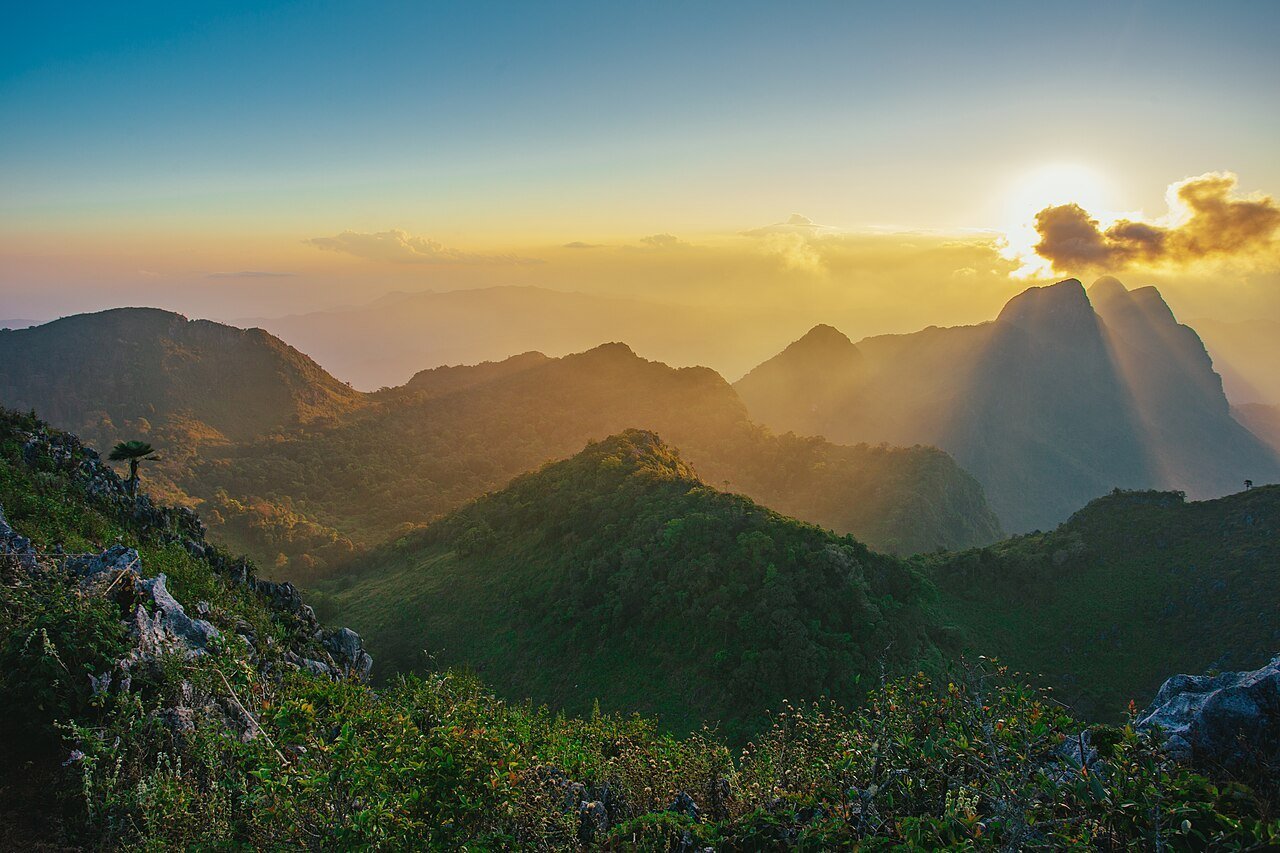
A hotel booking in Chiang Dao is not permission to climb Doi Luang Chiang Dao. The summit nature-study trip is controlled by Chiang Dao Wildlife Sanctuary, with advance registration and a restricted season. Establish your allocated date and instructions before organising the rest of the trip. For late October 2026, the important news is the reservation window for a future visit, not an invitation to walk up immediately.
The current booking window is specific
The Department of National Parks' notice dated 24 October 2026 says online reservations run from 08:00 on 26 October to 16:00 on 30 October 2026. It directs applicants to the sanctuary's booking website as the sole registration channel. These dates describe an application window, not a walk-in service or a guarantee that spaces remain available.
There is a start-date discrepancy to resolve before travelling: the DNP announcement gives nature-study visits from 16 November 2026 to 12 February 2027, while the sanctuary website displays 15 November to 12 February. Use the date actually assigned and confirmed by the sanctuary. Do not treat either general banner as permission to arrive a day early.
If the reservation window has passed when you read this, check the sanctuary's latest announcement rather than assume that a hotel, driver or third-party package can create an extra allocation. A payment or itinerary offered elsewhere is not itself the sanctuary's confirmation. This is the planning step on which the summit trip depends.
A sanctuary visit, not an unrestricted summit path
The sanctuary asks visitors to book in advance, prepare physically, read its rules and bring appropriate walking equipment. The DNP announcement also says successful applicants must complete an orientation on low-impact walking before entering. The training arrangement belongs in the trip calendar, rather than being treated as a formality to fit around an early start. Visitor numbers are controlled for conservation, rather than set by demand for hotel rooms.
The official website identifies the sanctuary office and the training location at Chiang Dao Cave temple as separate mapped destinations. Confirm which place your instructions require and when to report there. An accommodation listing's distance to 'Chiang Dao' cannot settle the journey to the briefing point, trail access or any arranged vehicle collection.
Fees, porter services, deposits and equipment rules can be important, but older trip reports are not a dependable current price sheet. Obtain the actual instructions attached to your allocation. This guide does not turn a previous season's package into the terms of the 2026–27 visit.


Why the restrictions belong to the experience
UNESCO describes Doi Chiang Dao as a limestone massif in the Upper Ping basin, with a rare continuum from lower forests to a subalpine environment. The attraction is not simply a high viewpoint. The different habitats and exposed karst landscape are part of what makes a nature-study visit distinctive.
The biosphere-reserve description connects these forests and limestone systems with headwaters feeding the Ping River. That wider context helps explain why controlled numbers and careful movement matter. A photograph from an exposed ridge should not encourage leaving the designated route or treating delicate vegetation as a convenient place to stand.
Plant and animal interest does not mean guaranteed sightings. Keep the walk worthwhile for its landscape and ecology without making a particular bird, flowering plant or clear panorama a condition of success. Follow the sanctuary's restrictions rather than a social-media route that appears to reach a more dramatic edge.
Choose the base after the permission
A Chiang Dao-area hotel can be useful before a briefing or after an overnight mountain trip. It remains a lower-area stay, not a substitute for the controlled overnight arrangements. Check its actual position against the reporting point in the sanctuary instructions, especially if the advertised appeal is a mountain view rather than proximity to transport.
For someone without summit permission, a stay looking towards the massif is a different holiday and can still have value. Chiang Dao Cave and other lower-area visits have their own rules; access to them should not be presented as a back door into the summit route. Keep the itinerary honest about whether it includes a view of the mountain or the authorised trek.
This distinction also affects a mixed group. Someone who is comfortable staying in the valley may not want the same physical commitment or overnight arrangements as a summit participant. Confirm who is actually registered before purchasing transport for the whole group, and avoid a plan that depends on unregistered companions joining later.
Leave flexibility around the allocated outing
The sanctuary warns that mountain weather changes quickly. That warning is relevant even within the permitted season: a confirmed date does not guarantee clear skies or remove staff decisions about conditions. Prepare for the authorised activity and accept changes required by the people managing the route.
The most reliable order is permission, briefing and route instructions, then accommodation and transport that fit them. A sunrise target or an attractive hotel promotion should not reverse that order. Keep the sanctuary confirmation accessible and verify the outstanding start-date difference before committing to the journey.